
Fresh Sustainability Insights That Move Decisions
Bite-size reads from our syndicated research and workflows—built to convert learnings into action.
Showing 12 of 44 results
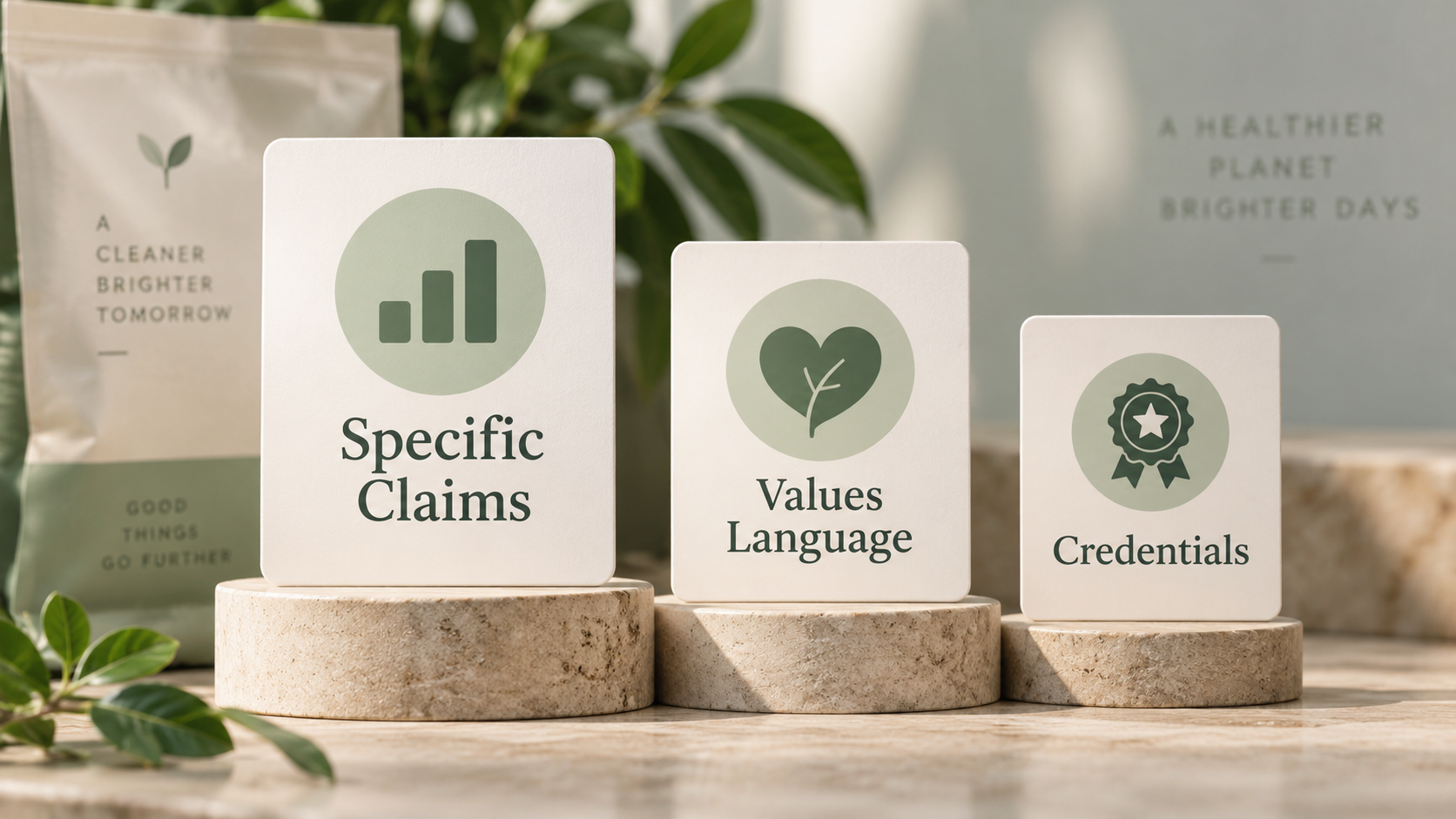
How Consumers Respond to Different Sustainability Messages
Brands have many ways to talk about their environmental commitments. To understand how consumers respond to different messaging, we tested pairs of statements representing different approaches. The results point to meani

Sustainable Packaging Strategies: Which Feature Combinations Appeal to the Most Consumers
Sustainable packaging comes in many forms. Brands typically weigh options based on operational feasibility, supplier availability, and cost. Our data shows that some sustainable packaging features are more compelling to

AI's Environmental Impact Takes Center Stage at Climate Week NYC and Consumers Are Paying Attention
Eight in ten Americans are concerned about AI's energy consumption contributing to climate change.
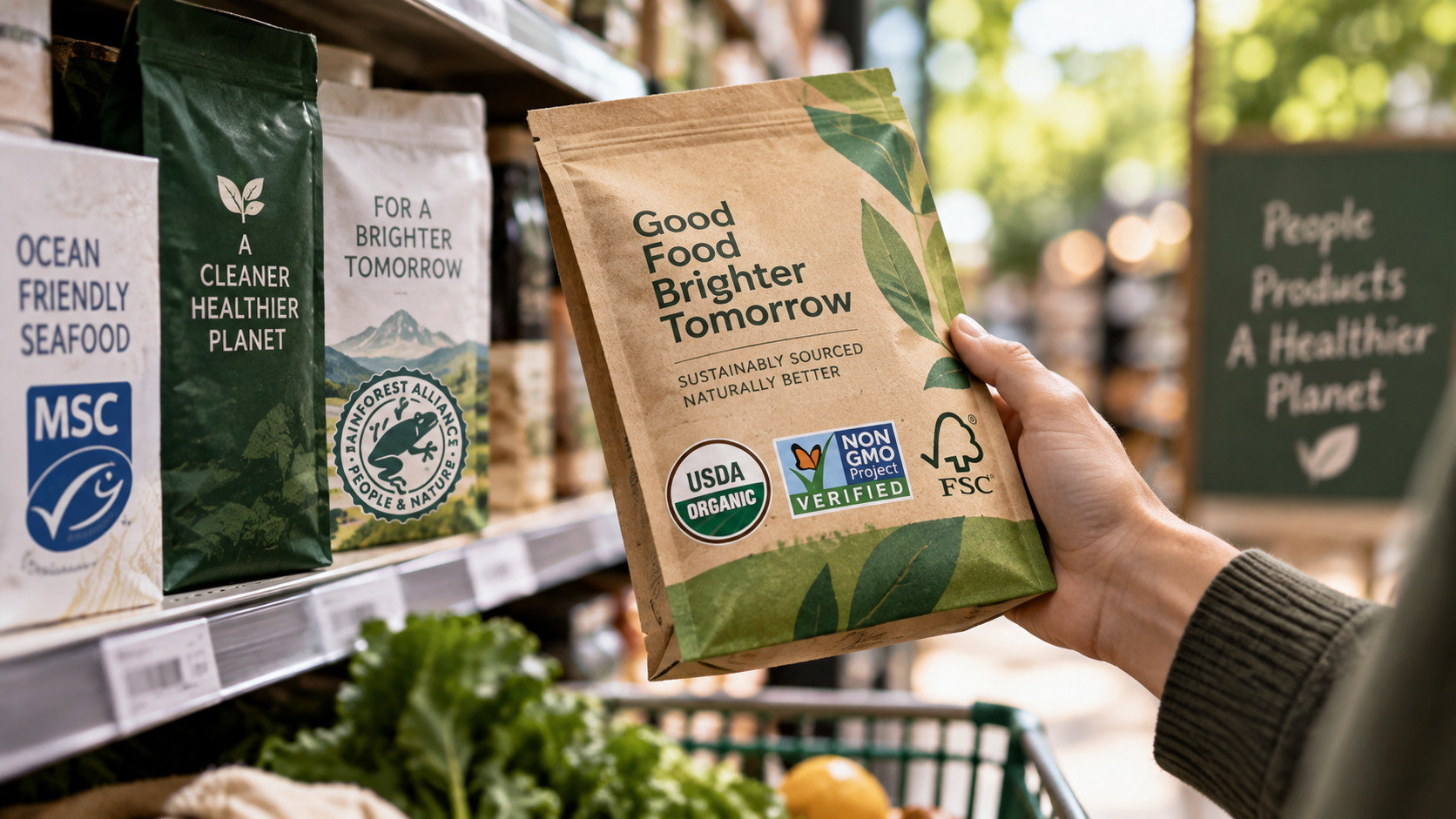
Environmental Certifications Are Powerful. Brands That Actively Communicate Them Unlock That Power
World Rivers Day draws attention to the health of freshwater ecosystems that sustain communities, agriculture, and biodiversity worldwide. The health of rivers and watersheds is a key concern in the US and growing in the

On Climate, Consumers Trust Scientists First and Corporations Last. Here Is What Brands Can Do About It.
Climate scientists and environmental groups lead consumer trust on climate information by a wide margin. Corporations rank near the bottom, just above politicians.

Product Labels Are Powerful Sustainability Tools, but Only if the Message Cuts Through
Last week we looked at where consumers find eco-friendly product information and found that packaging and labels rank among the top sources. This week we look at what consumers prioritize when choosing food and beverages

Sustainability Messaging Only Works If It Reaches Consumers Where They're Looking For It
Brands invest significantly in sustainability communication through advertising, social media, websites, and PR. But the most carefully crafted message only works if it reaches consumers where they learn about eco-friend

Hemp Has an Environmental Story Most Brands Aren't Telling and Most Consumers Haven't Heard
Hemp is appearing in more places, including personal care aisles, food products, clothing, and packaging as brands explore its potential as both a wellness ingredient and a sustainable material. CBD, one of hemp's most w

AI Has a Water Footprint, and Brands Need to Account for it in Their Sustainability Story
Eight in ten consumers are concerned about AI data centers depleting local water resources.
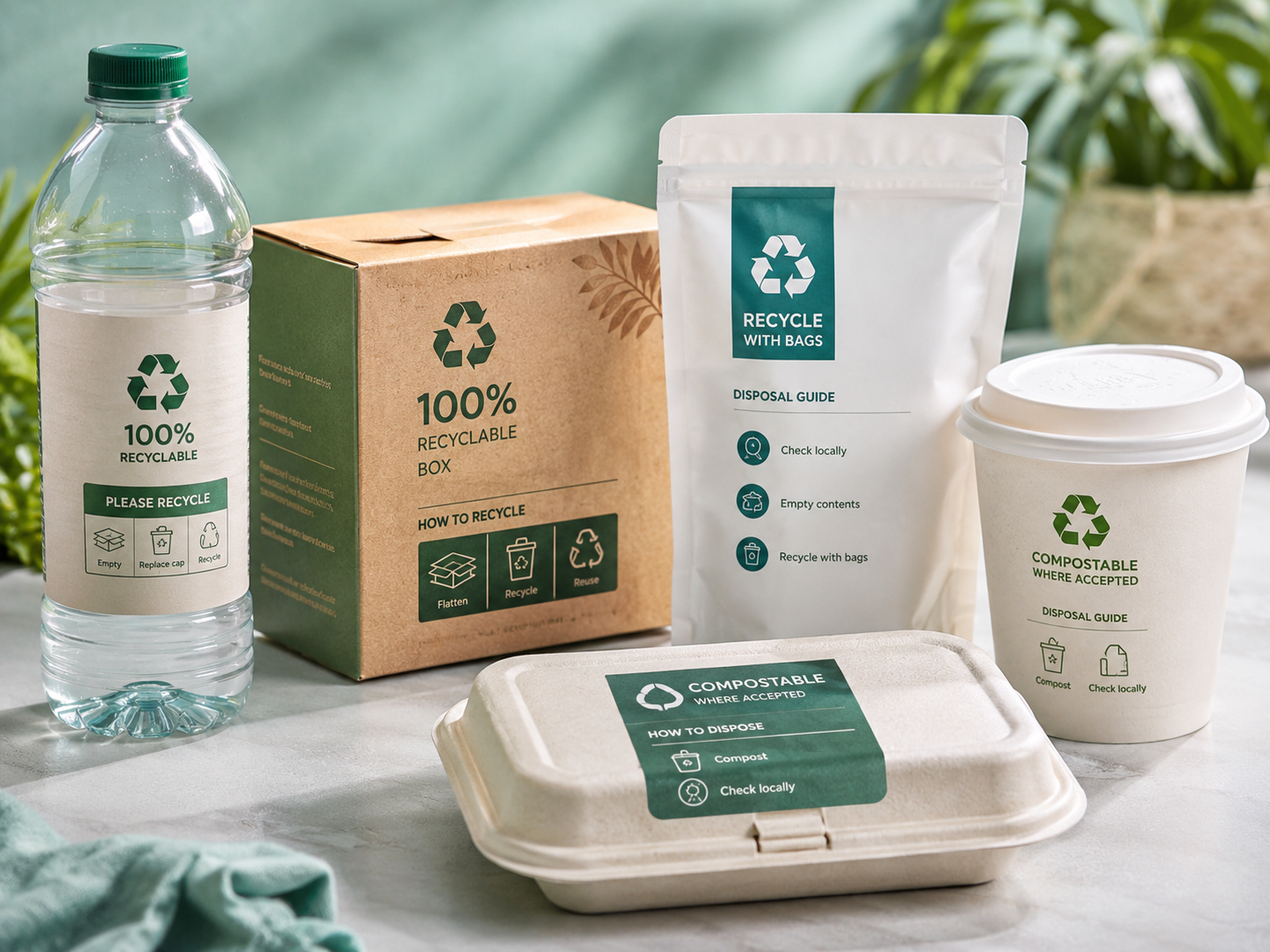
Better Packaging Design and Clearer Recycling Guidance, That's What Consumers Are Asking Brands For
Recycling is a widely practiced sustainability behavior in American households. But consumer commitment to recycling and consumer confidence in the recycling system are two different things — and the gap between them is

AI Is Already in Your Hiring Process, and Candidates Are Paying Attention
Artificial intelligence is moving quickly into hiring, and most companies adopting it are doing so faster than they are communicating about it. For employers that have invested in building a strong workplace culture — in
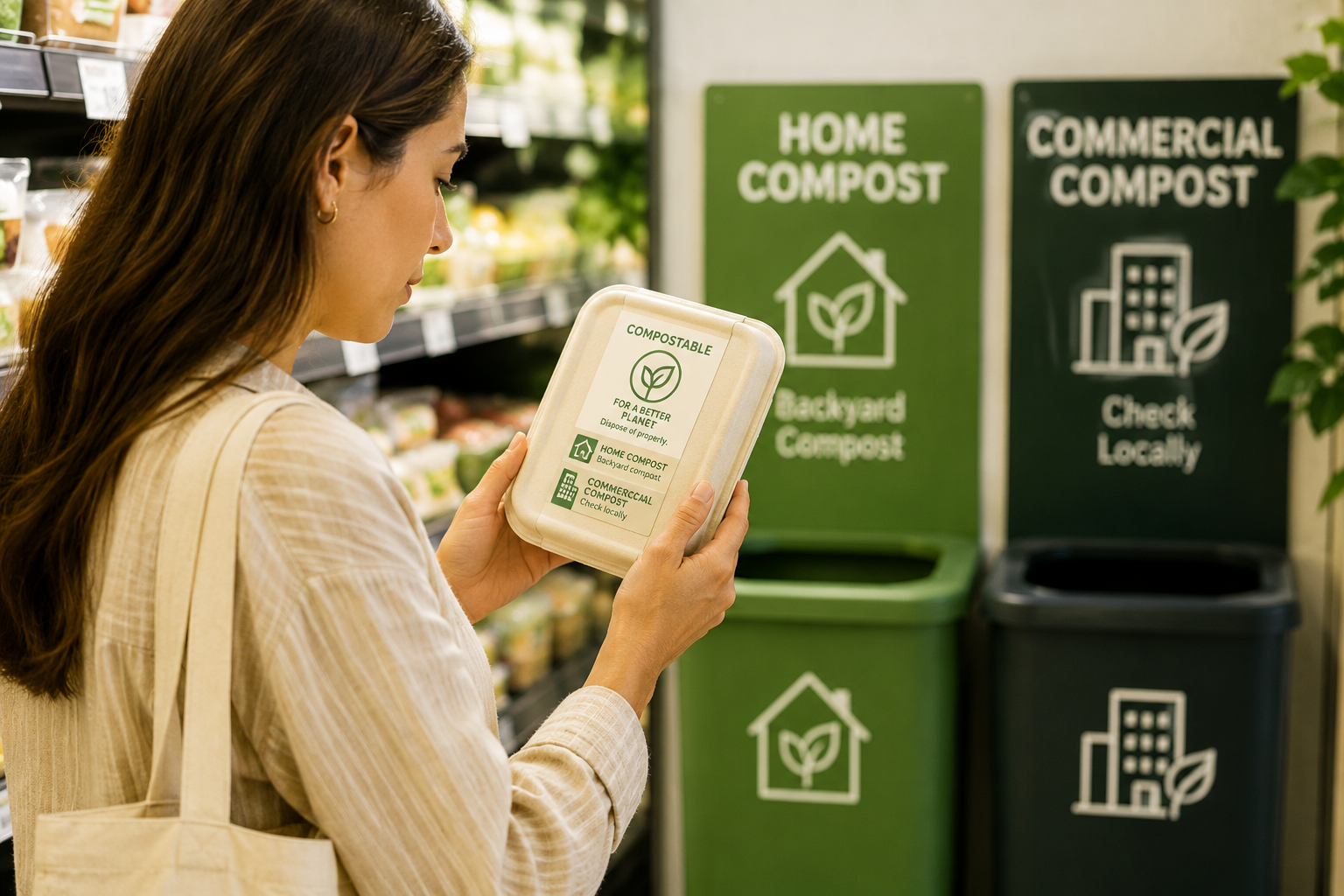
Consumer Willingness to Compost Is High, Infrastructure and Clear Labeling Are What's Missing
Compostable packaging is increasingly appearing on store shelves as a sustainable alternative to conventional plastic. For it to deliver on that promise, two things need to be true: consumers need to understand what comp
How Consumers Respond to Different Sustainability Messages
Brands have many ways to talk about their environmental commitments. To understand how consumers respond to different messaging, we tested pairs of statements representing different approaches. The results point to meani
Sustainable Packaging Strategies: Which Feature Combinations Appeal to the Most Consumers
Sustainable packaging comes in many forms. Brands typically weigh options based on operational feasibility, supplier availability, and cost. Our data shows that some sustainable packaging features are more compelling to
AI's Environmental Impact Takes Center Stage at Climate Week NYC and Consumers Are Paying Attention
Eight in ten Americans are concerned about AI's energy consumption contributing to climate change.
Environmental Certifications Are Powerful. Brands That Actively Communicate Them Unlock That Power
World Rivers Day draws attention to the health of freshwater ecosystems that sustain communities, agriculture, and biodiversity worldwide. The health of rivers and watersheds is a key concern in the US and growing in the
On Climate, Consumers Trust Scientists First and Corporations Last. Here Is What Brands Can Do About It.
Climate scientists and environmental groups lead consumer trust on climate information by a wide margin. Corporations rank near the bottom, just above politicians.
Product Labels Are Powerful Sustainability Tools, but Only if the Message Cuts Through
Last week we looked at where consumers find eco-friendly product information and found that packaging and labels rank among the top sources. This week we look at what consumers prioritize when choosing food and beverages
Sustainability Messaging Only Works If It Reaches Consumers Where They're Looking For It
Brands invest significantly in sustainability communication through advertising, social media, websites, and PR. But the most carefully crafted message only works if it reaches consumers where they learn about eco-friend
Hemp Has an Environmental Story Most Brands Aren't Telling and Most Consumers Haven't Heard
Hemp is appearing in more places, including personal care aisles, food products, clothing, and packaging as brands explore its potential as both a wellness ingredient and a sustainable material. CBD, one of hemp's most w
AI Has a Water Footprint, and Brands Need to Account for it in Their Sustainability Story
Eight in ten consumers are concerned about AI data centers depleting local water resources.
Better Packaging Design and Clearer Recycling Guidance, That's What Consumers Are Asking Brands For
Recycling is a widely practiced sustainability behavior in American households. But consumer commitment to recycling and consumer confidence in the recycling system are two different things — and the gap between them is
AI Is Already in Your Hiring Process, and Candidates Are Paying Attention
Artificial intelligence is moving quickly into hiring, and most companies adopting it are doing so faster than they are communicating about it. For employers that have invested in building a strong workplace culture — in
Consumer Willingness to Compost Is High, Infrastructure and Clear Labeling Are What's Missing
Compostable packaging is increasingly appearing on store shelves as a sustainable alternative to conventional plastic. For it to deliver on that promise, two things need to be true: consumers need to understand what comp
Get EcoFocus Insights in your inbox
Articles, trend callouts, and report highlights. No spam—unsubscribe anytime.
We’ll email you EcoNuggets. See our Privacy Policy.